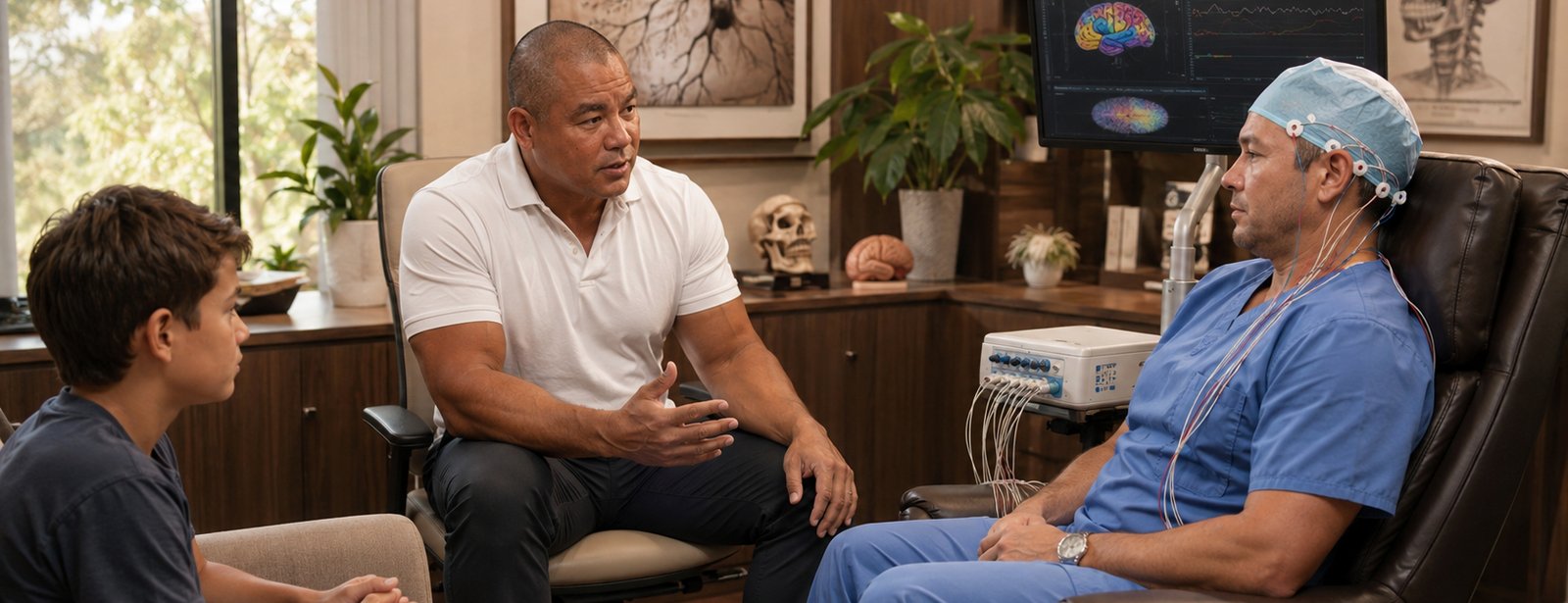
NeuroFux is a neuro-hacking practice in Upland, California. We combine clinical neurofeedback and Cranial Electrotherapy Stimulation with research-informed nutrition to help you sharpen focus, calm the nervous system, and expand consciousness — training the brain to work the way you want it to. Neurofeedback is a form of biofeedback: sensors read your EEG, software returns that signal to you as sound or imagery within milliseconds, and the brain gradually learns to favour the patterns it is rewarded for. It is a skill-building process rather than a treatment, and we say so plainly. Sessions are wellness services, not medical care, and nothing here is intended to diagnose, treat, cure or prevent any disease — please keep your physician or mental-health provider in the loop.
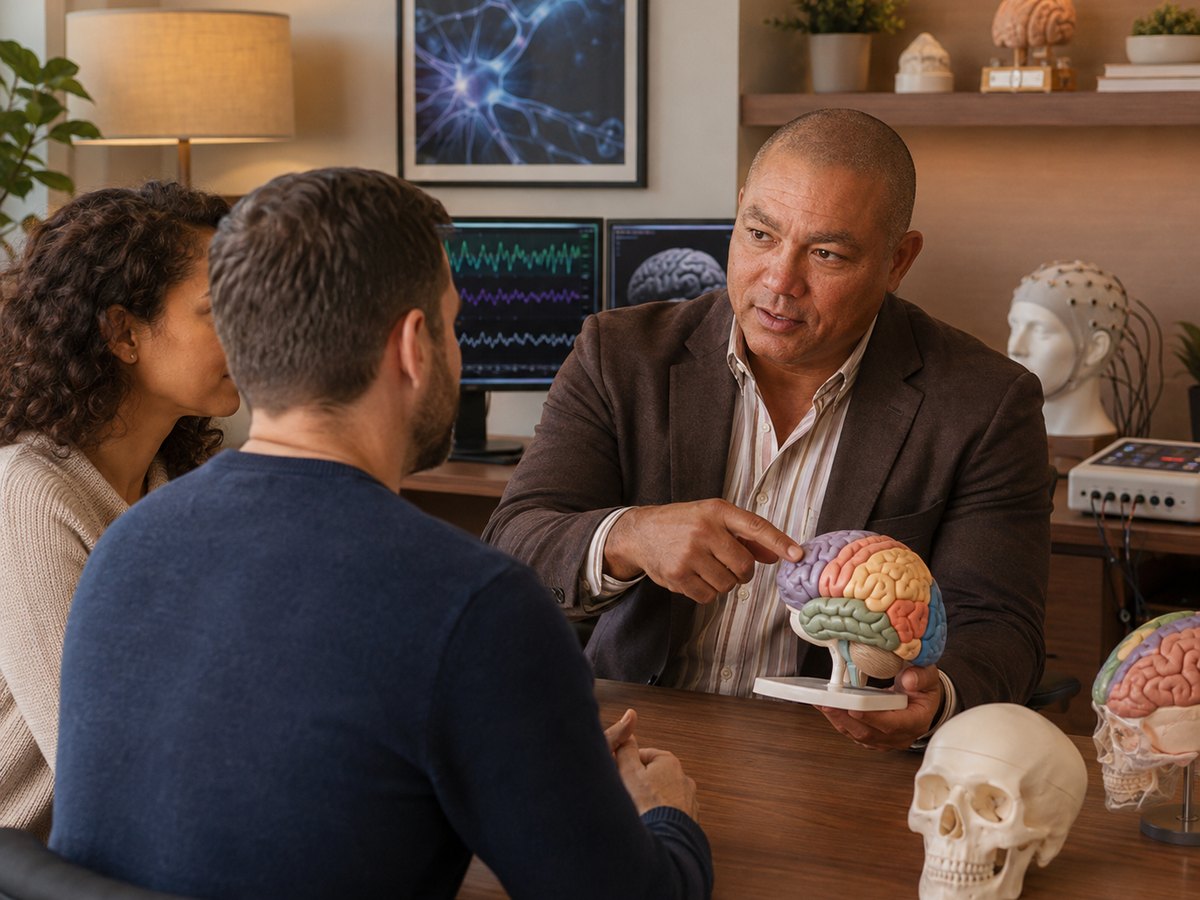
Clinical neuromodulation paired with research-informed nutrition. Every protocol is aimed at a calmer nervous system, sharper attention, and a broader window of consciousness. We begin with an intake consultation, agree on what we are actually training toward, and review progress against that goal rather than against a promise — because an honest baseline is worth more than an impressive one.
EEG-guided brain training that reads your brainwaves in real time and rewards healthier patterns — supporting focus, sleep, calm and self-regulation, session by session. Protocols such as theta/beta and sensorimotor-rhythm (SMR) training are the ones most often described in the research literature, frequently in the context of attention. That literature is genuinely mixed: some systematic reviews report meaningful long-term symptom improvement while others find no significant effect on core symptoms, and researchers on both sides are asking for larger, better-standardised trials. We would rather you hear that from us than discover it later. Neurofeedback here is a complementary, non-drug practice — not a treatment for any diagnosed condition.
Gentle microcurrent applied at the head using an FDA-cleared cranial electrotherapy stimulation device, used to support relaxation, easier sleep and a lower-arousal baseline. Non-invasive, drug-free and comfortable — most people describe it as a mild tingle and nothing more. FDA clearance means a device has been permitted to market for its stated indications; it is not a guarantee of result for any individual, and CES is not appropriate for everyone. We screen at intake, and we will tell you if we think you should speak with a physician first.
Cognitive supplements chosen for clarity, memory and sustained mental energy — no hype, just ingredients with published evidence behind them and honest framing about how strong that evidence actually is. Dietary supplements are not reviewed by the FDA for safety and effectiveness before they go on sale, they are not intended to diagnose, treat, cure or prevent disease, and some interact with prescription medication. Bring your current medication list to the consultation so we can flag anything worth asking your prescriber about.
Full-spectrum CBD to support relaxation, recovery and a steadier baseline — a natural complement to neurofeedback and CES protocols. To be clear about the regulatory picture: apart from Epidiolex, a prescription medication approved for certain severe seizure disorders, there are no FDA-approved drug products containing CBD, and in 2023 the FDA concluded that the existing regulatory pathways for dietary supplements and conventional foods are not appropriate for CBD and said it would work with Congress on a new framework (FDA). Full-spectrum extracts also contain trace THC, which can matter for workplace drug testing. Talk to your healthcare provider before adding CBD, particularly if you take other medication.
A balanced CBD and CBG formulation for focus and calm alertness — pairing two cannabinoids to support attention without the crash. CBG is far less studied than CBD, and most of what exists is preclinical rather than clinical, so we describe it as promising rather than proven. Not FDA-approved to treat, cure or prevent any condition; not for use during pregnancy or breastfeeding; and worth a conversation with your provider first if you take prescription medication.
High-purity omega-3 fatty acids — chiefly EPA and DHA — to nourish the brain and support long-term cognitive and cardiovascular health. DHA is a structural component of neuronal membranes and of the retina. Worth knowing the nuance, though: the NIH Office of Dietary Supplements notes that the Food and Nutrition Board set an Adequate Intake for total omega-3s but has not set specific recommendations for EPA and DHA, because they are not classified as essential nutrients — it is alpha-linolenic acid that carries that status. Evidence that EPA and DHA lower triglycerides is well established; evidence for other outcomes is more uneven, and we will not overstate it. NIH Office of Dietary Supplements. High doses can affect bleeding time, so if you take an anticoagulant, ask your physician before starting.
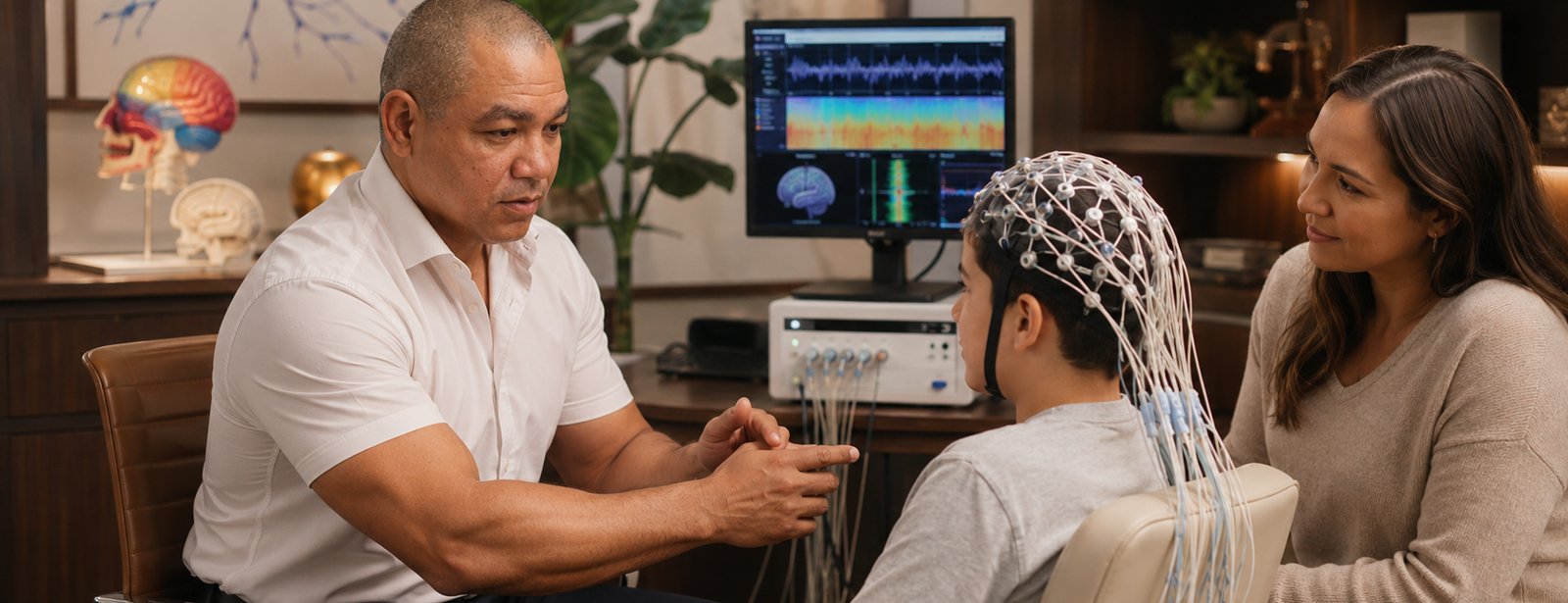
A look at NeuroFux — founder Devin Lockett and the brain-training work behind our neurofeedback and consciousness-hacking sessions.
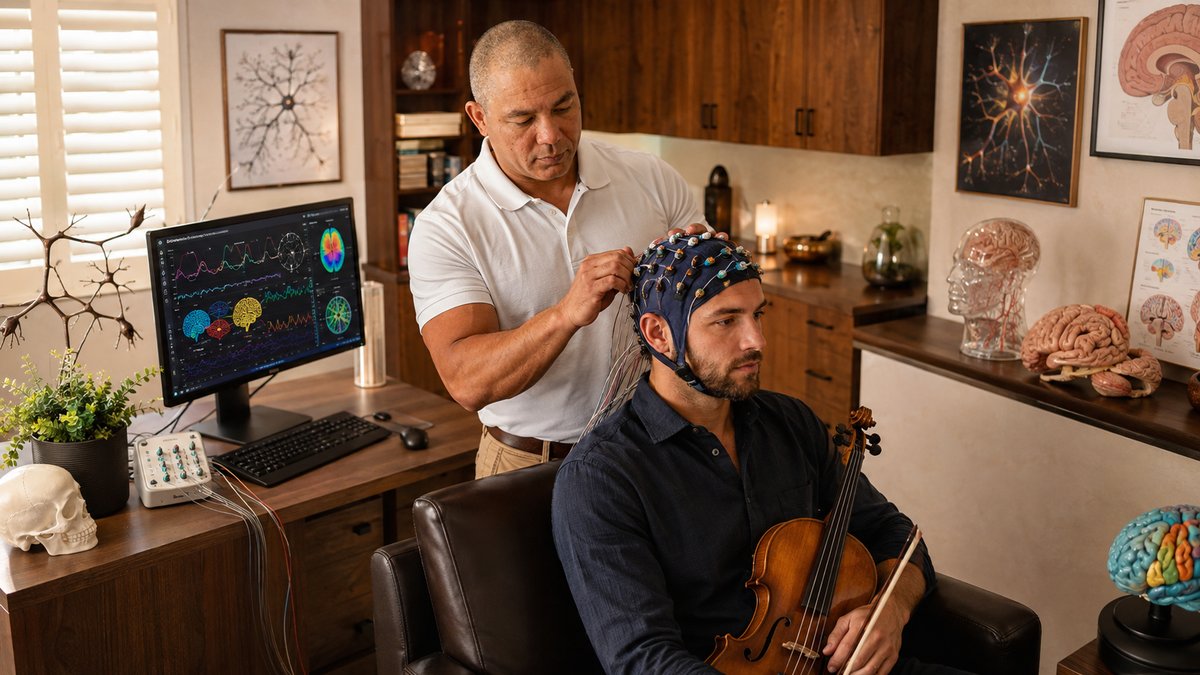
The mind behind NeuroFux, guiding every neurofeedback and CES protocol.
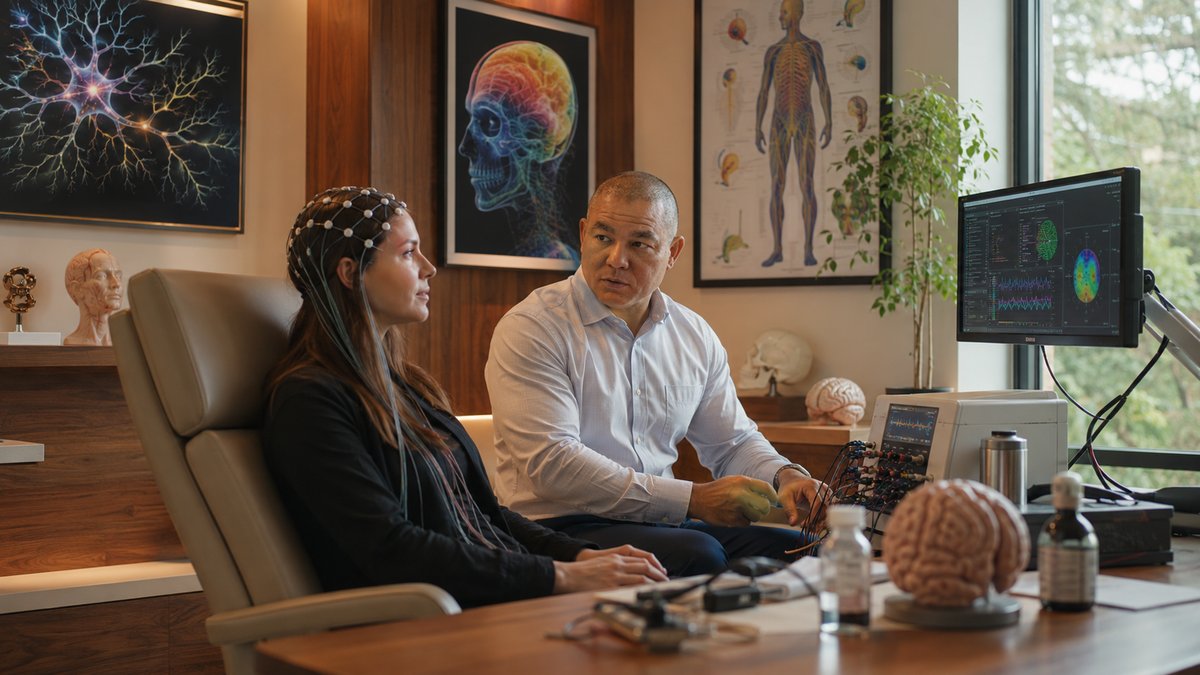
Real-time EEG feedback that teaches the brain to self-regulate.
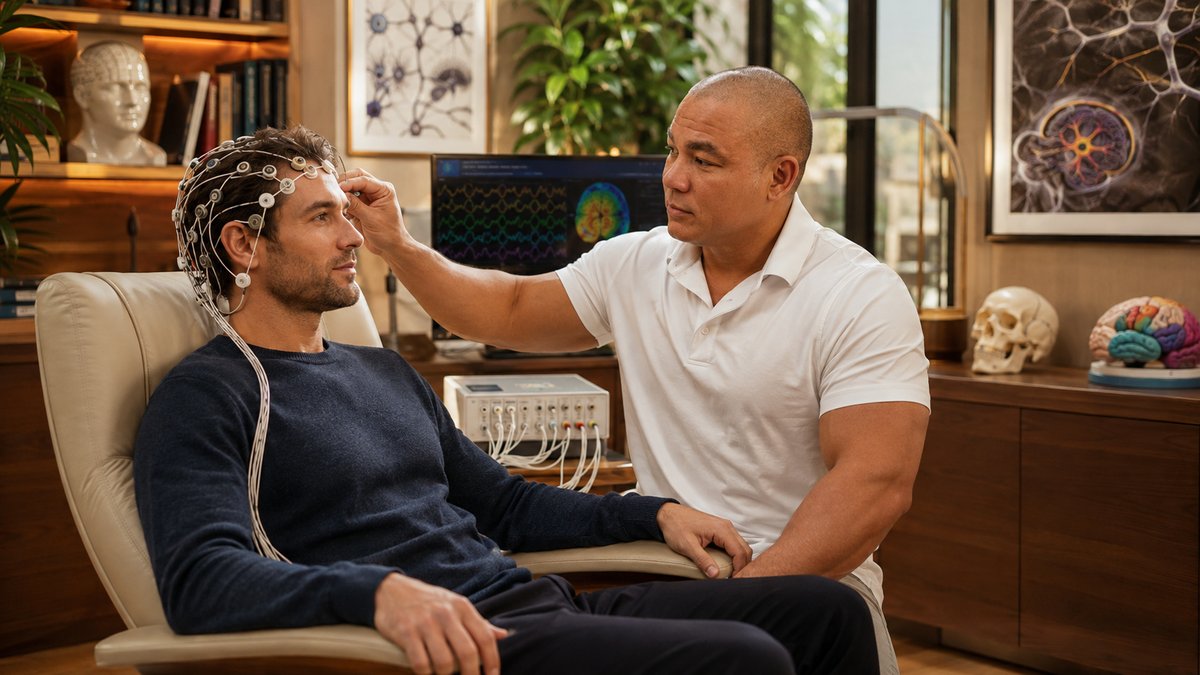
Gentle microcurrent for stress, sleep, and anxiety relief.
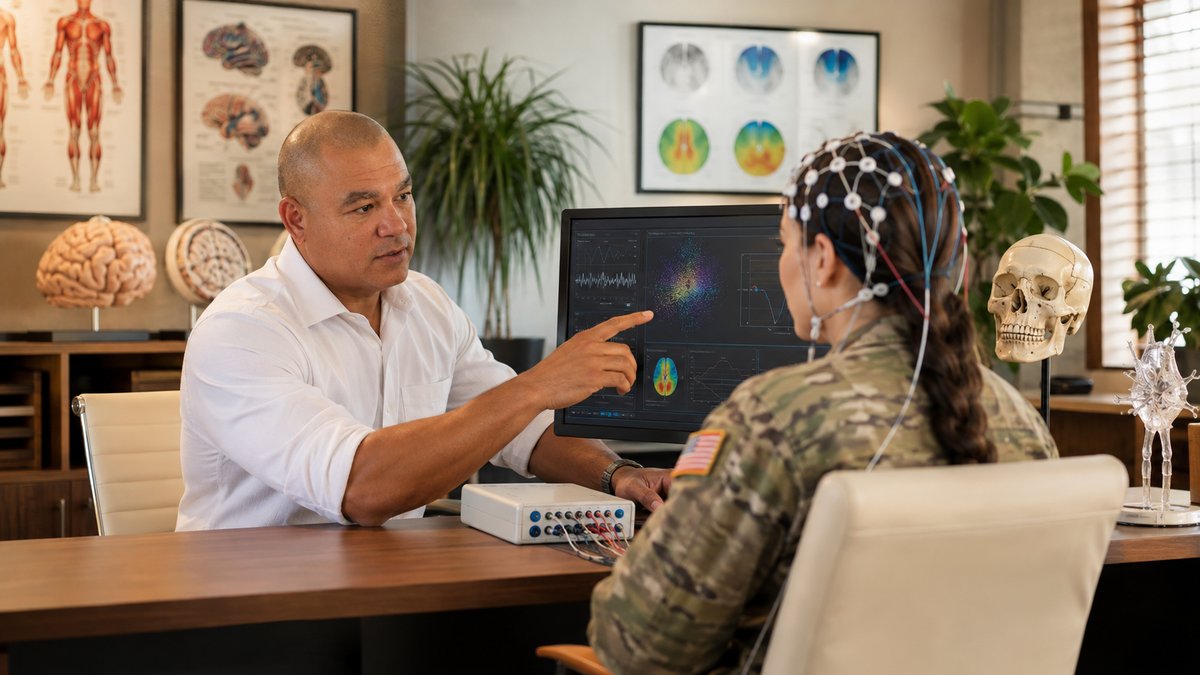
Where neuroscience meets intention and self-exploration.
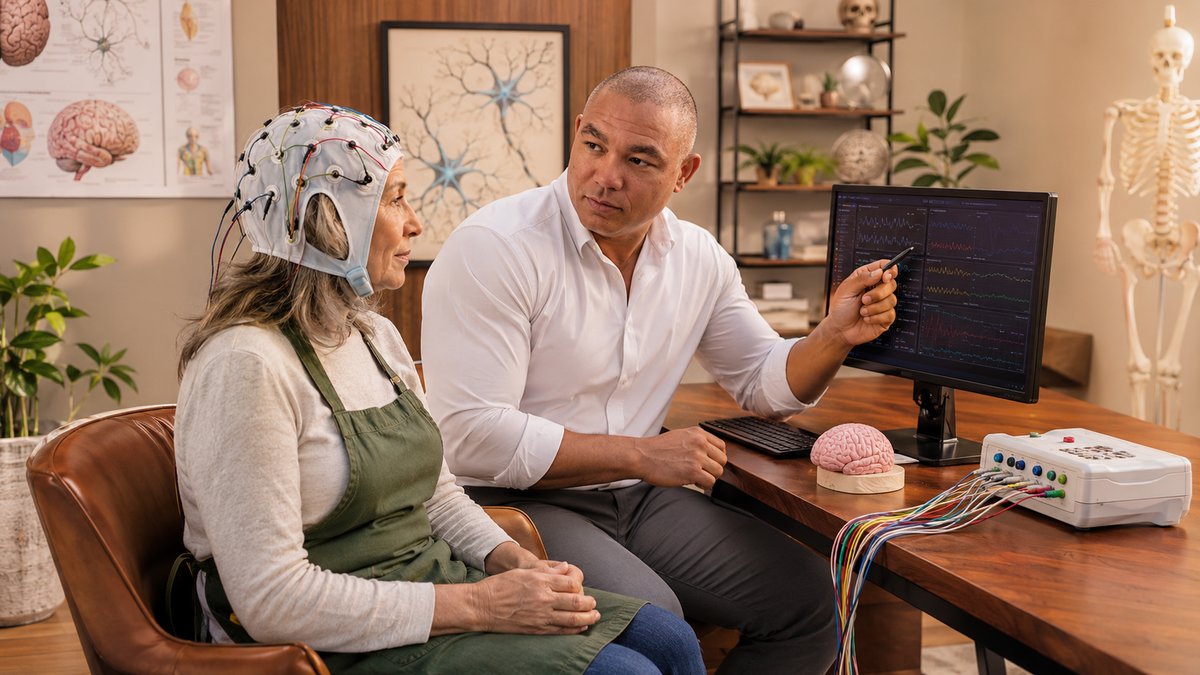
Nootropics, CBD blends, and omega-3s that support the work.
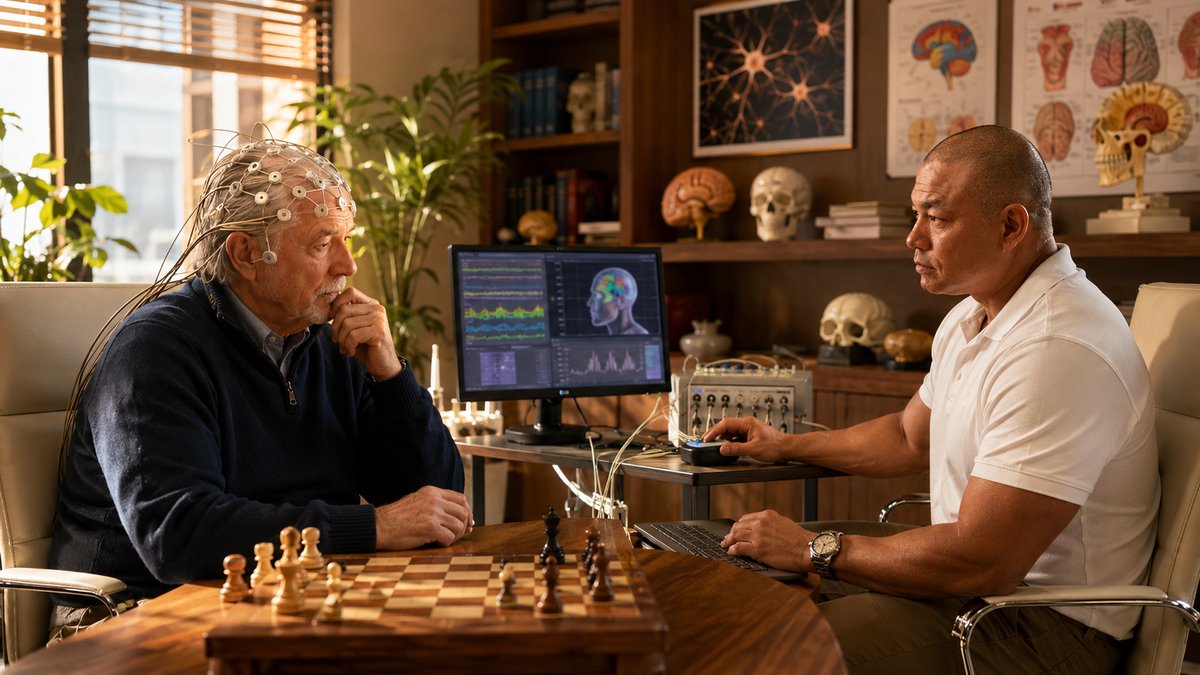
By-appointment sessions in Upland, California.
Book a neurofeedback or CES session, or ask about our nootropic and CBD supplements. Sessions are by appointment in Upland, California.
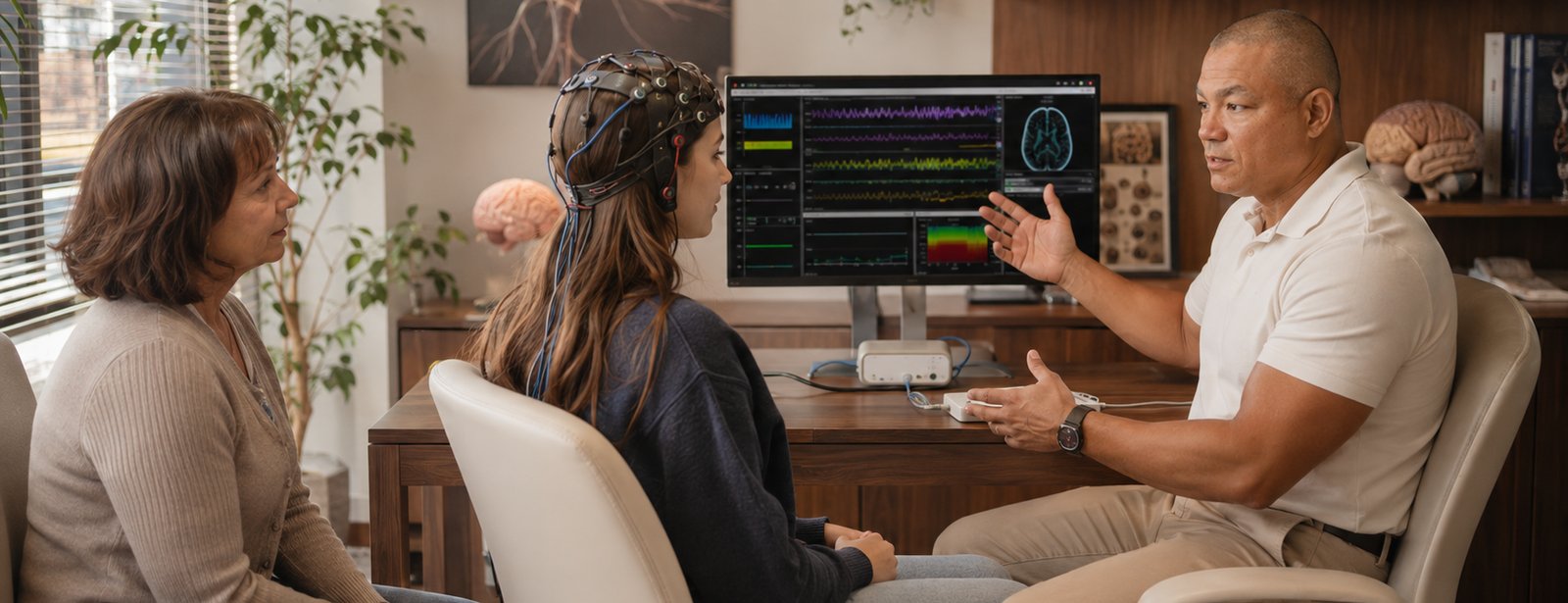
The field is growing fast, and the technology behind brain training keeps getting more precise and more personal. Here's where neurofeedback stands this year — including the parts of the picture a practice with something to sell would usually leave out.
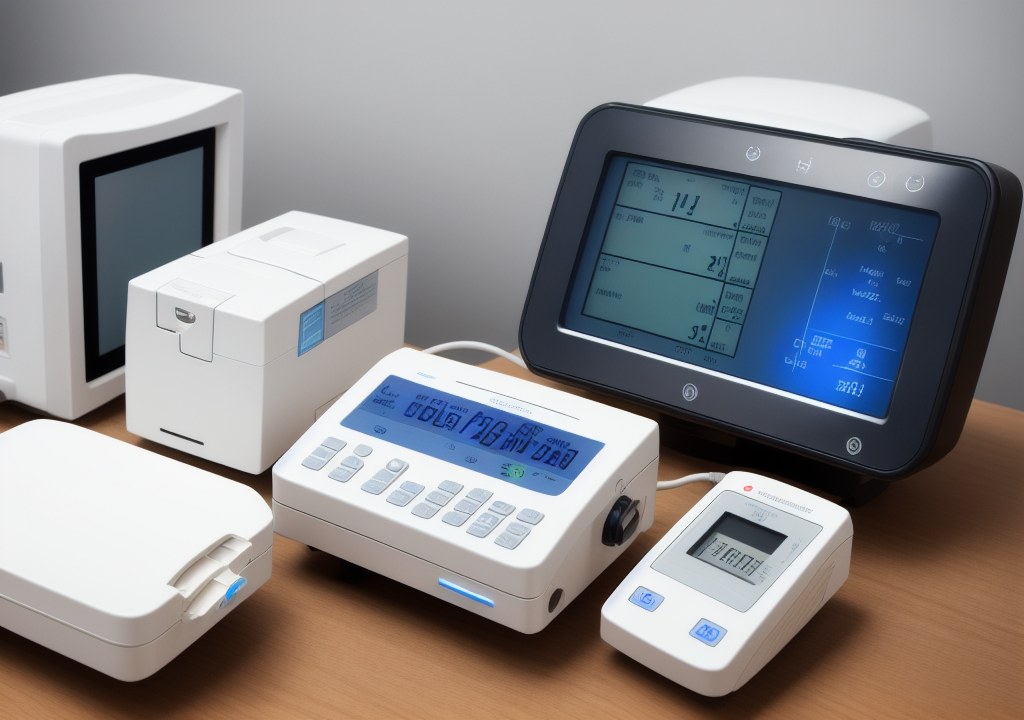
The FDA cleared an in-ear EEG system in January 2026 and an outpatient soft-electrode headset in April 2026, moving brain-signal recording beyond the clinic. These clear recording hardware — better measurement, not a validated training outcome. Source: U.S. FDA.
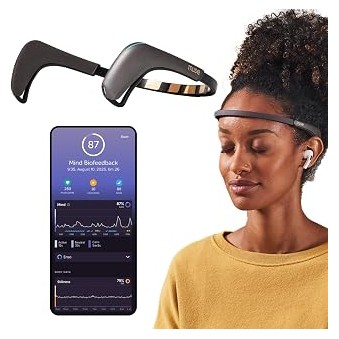
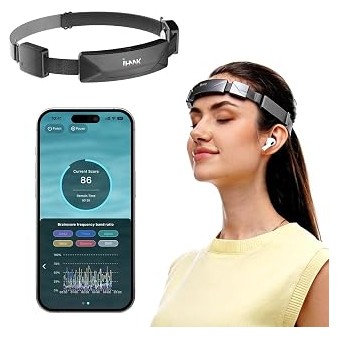
Wearable EEG devices and cloud platforms enable remote and hybrid delivery between in-person sessions. Signal quality still varies with fit and movement, so home data is best interpreted by a credentialed practitioner rather than treated as a stand-alone protocol. Muscle tension in the jaw, a loose electrode or an eye blink can all masquerade as a change in brainwave activity, and a session run on artefact trains nothing at all. That is the practical reason we keep a trained pair of eyes on the signal rather than handing you a headset and a subscription.
A 2026 meta-analysis in Addiction examined EEG neurofeedback for substance-related disorders, with encouraging but still-preliminary results calling for larger trials. The wider picture is similar: across attention, sport performance and mood, reviews report real effects in some protocols and null results in others, and the field is actively debating how much of the benefit comes from the neurofeedback itself. We think you should know that before your first session rather than after your tenth. This is a complementary modality and not a substitute for licensed medical care — if you are managing a diagnosed condition, keep your treating clinician involved. Source: Addiction, 2026.
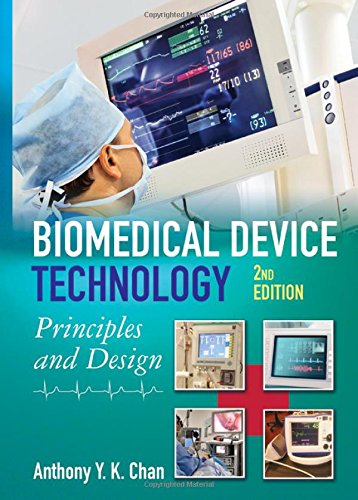
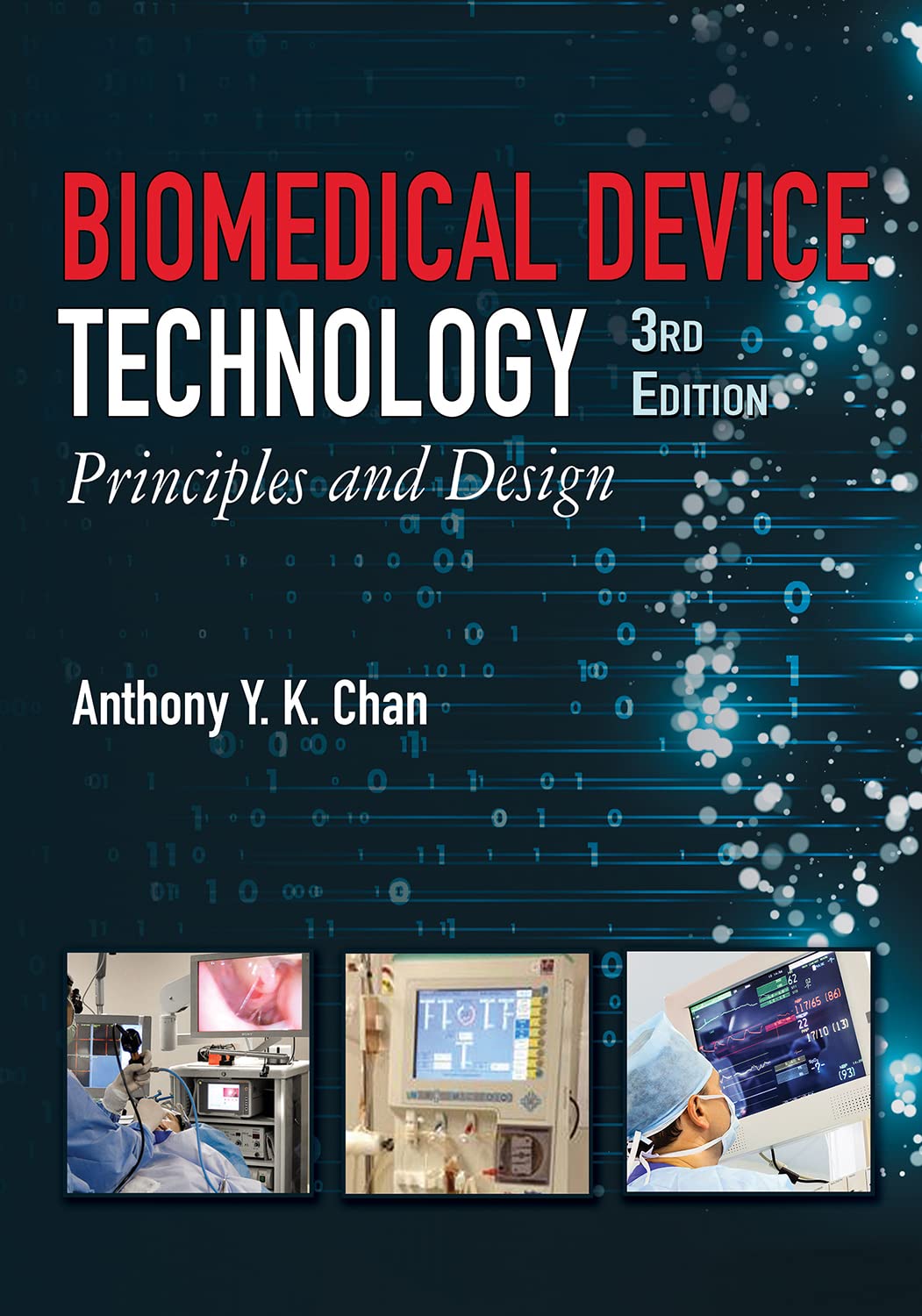
Get our illustrated guide — practical, current, and written for 2026.
 Get the eBook — $10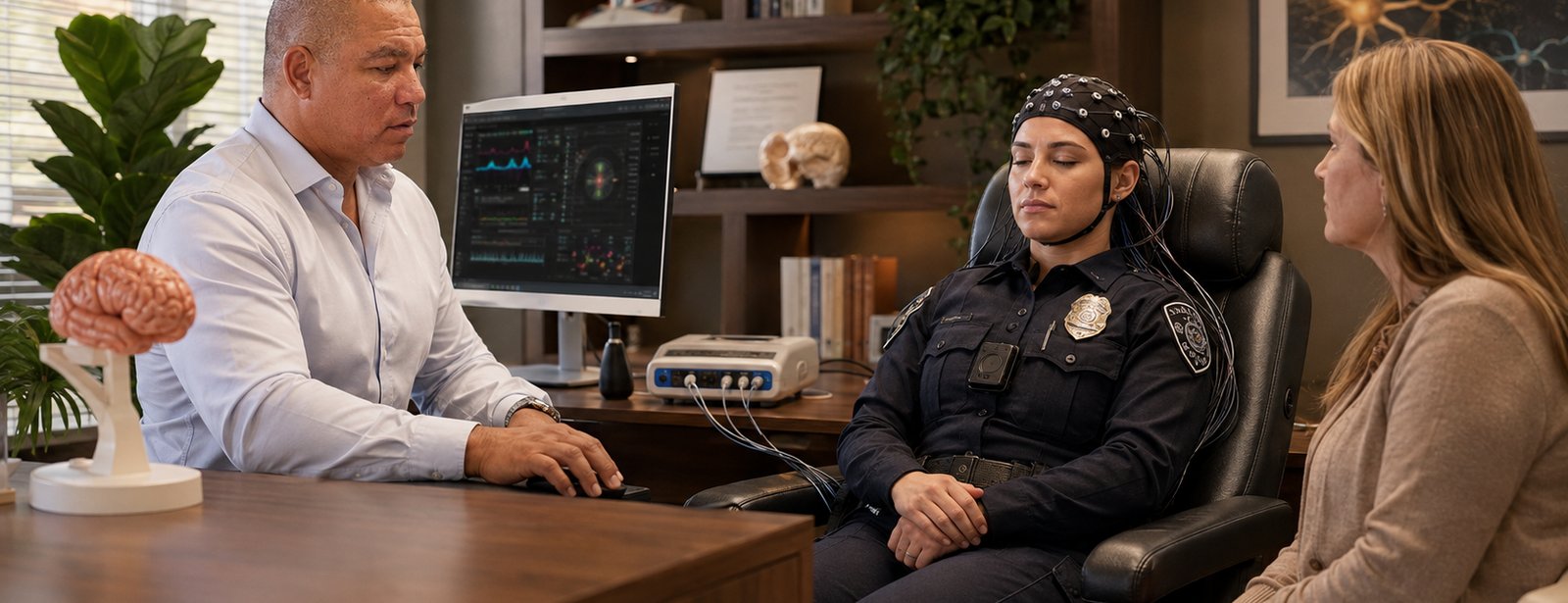
We combine real expertise with genuine care — and we make it easy to say yes. Here is what you can expect when you work with NeuroFux.
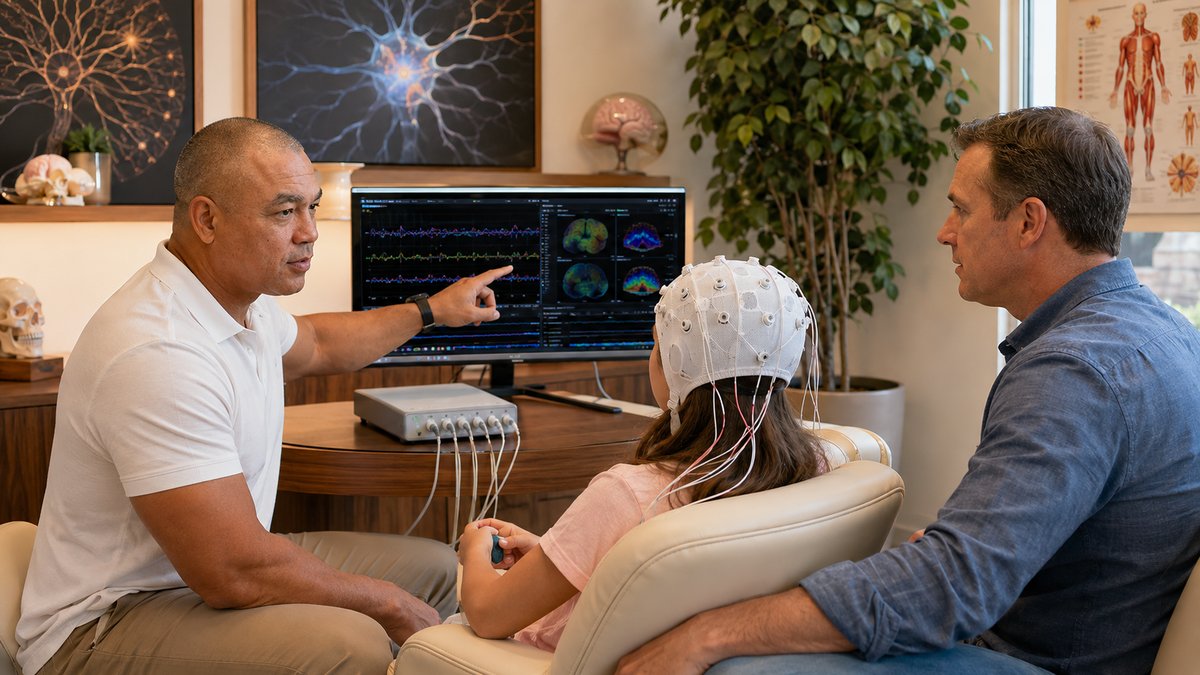
Evidence-informed sessions tailored to your goals, not a one-size-fits-all script.
Experienced, credentialed providers who put your comfort and safety first.
Clear intake, personalized plans, and honest check-ins so you can see how far you have come.
A calm, modern environment designed to help you relax, focus, and thrive.
As an Amazon Associate we earn from qualifying purchases. Prices and availability are subject to change.